When young people are struggling with mental health, substance use, housing, school, employment or other challenges, it can be hard to know where to turn — especially when transitioning from youth to adult services.
Community Alliance’s Healthy Transitions program was created to help bridge that gap. The program helps young people ages 16 to 25 in Douglas and Sarpy counties connect with the support, resources and encouragement they need to move toward a healthier future.
For Clint Cederdahl, a care coordinator in the Healthy Transitions program, the work is deeply personal. Before joining Community Alliance nearly two years ago, Clint worked with youth involved in foster care and probation systems. Growing up, he faced significant challenges, including involvement with the juvenile justice system and years spent at Boys Town and in foster care.
As an adult, Clint worked many different jobs, from culinary arts to teaching and customer service, while trying to find his purpose.
“I never knew the different pains I went through in life could become my purpose,” he said. “Every time I tried to leave human services, I was always brought back. Helping people is what I want to do for the rest of my life.”
Today, Clint uses both his professional background and lived experience to support young people in finding needed services and resources through our Healthy Transitions program.
Increasing access to services and resources
Healthy Transitions helps youth and young adults ages 16 to 25 access mental health and substance use services and build independent living skills while transitioning into adulthood. The program meets individuals where they are, whether that means helping them connect with mental health care, find stable housing, enroll in school, secure employment or learn everyday life skills like budgeting, paying bills and accessing transportation.
Care coordinators like Clint work closely with Community Alliance’s outpatient clinic team and collaborate with community partners. Together, they provide wraparound support tailored to each individual’s needs.
“There’s no typical day,” Clint said. “Some days I’m taking a participant to a food pantry, helping them get to a job interview or connecting them to housing resources. Another day, I might be helping someone visit a college campus or find dental care.”
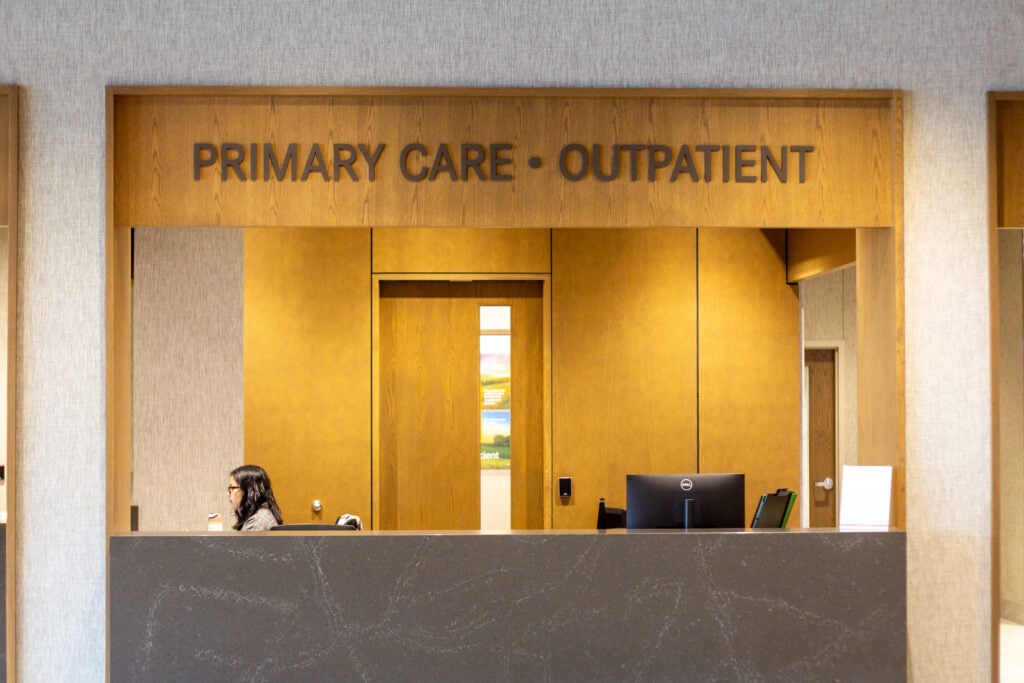
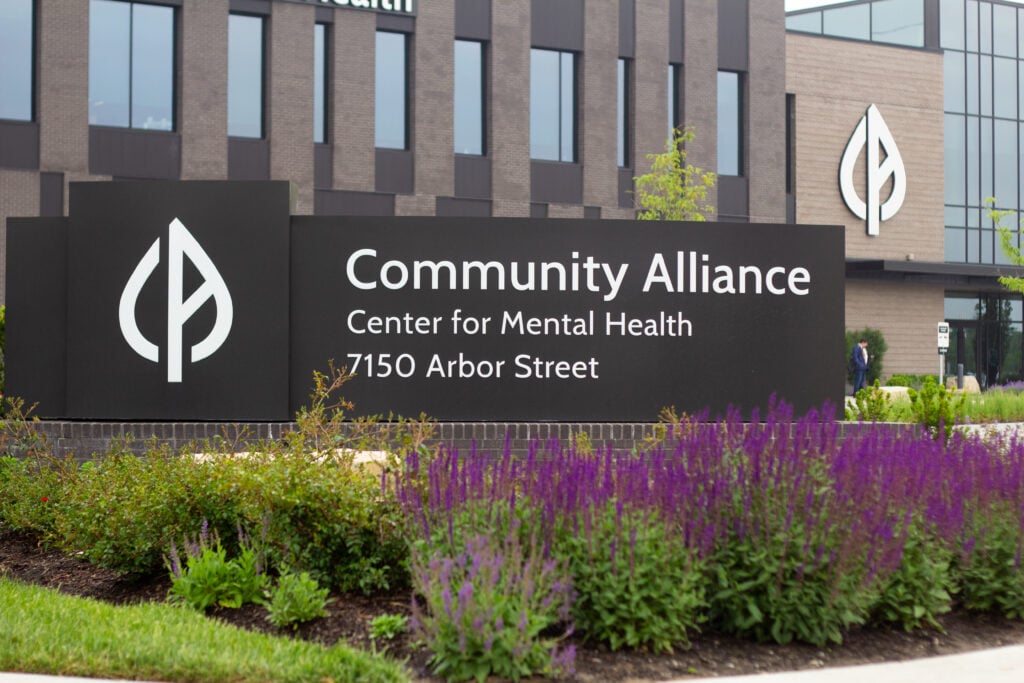
The program works alongside Community Alliance’s rapid response team to help determine which services best fit each individual’s needs. Youth in Healthy Transitions may also access psychiatry, therapy, primary care, day rehabilitation, and other services — all at Community Alliance’s Center for Mental Health or wherever individuals need support.
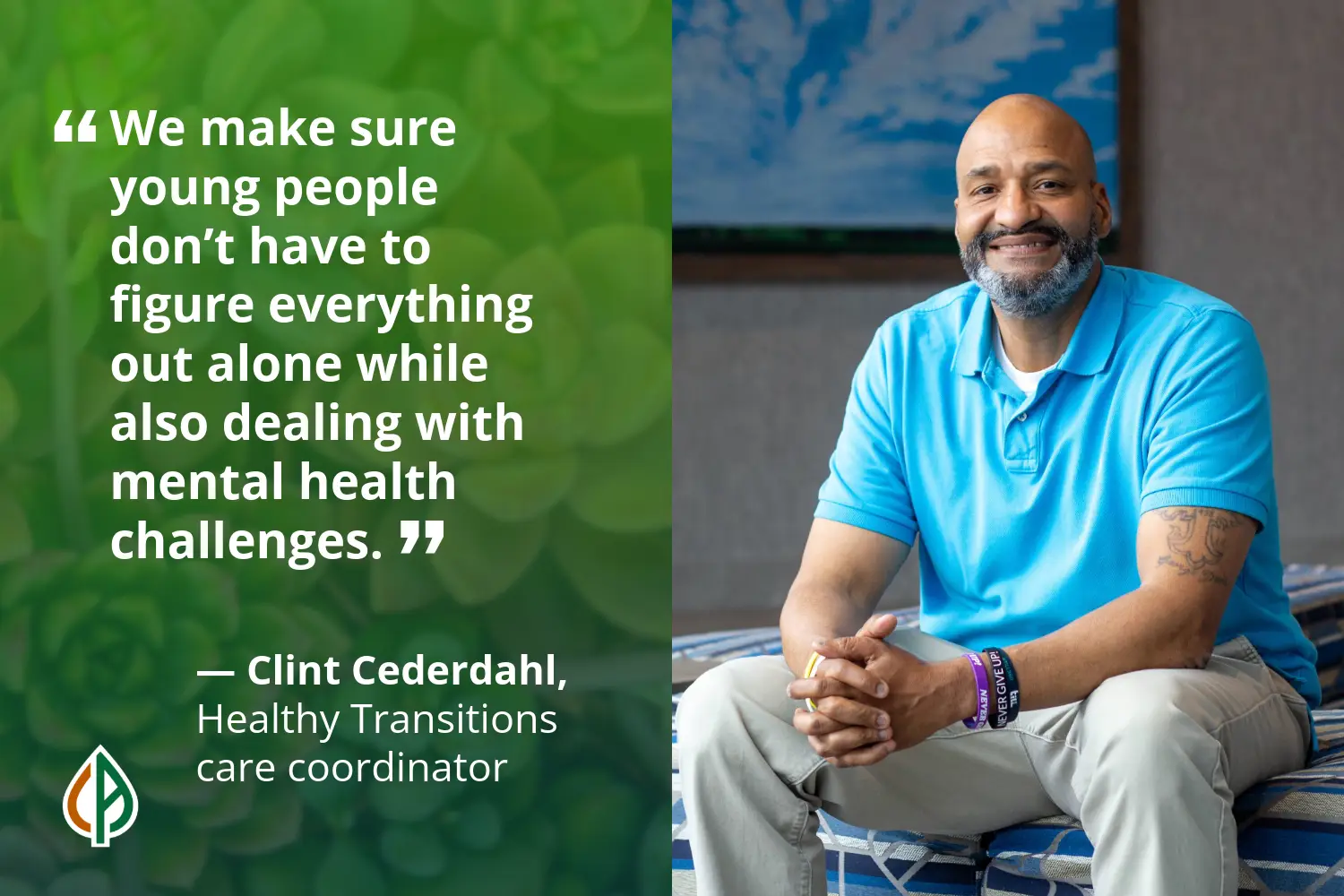
“We make sure young people don’t have to figure everything out alone while also dealing with mental health challenges,” Clint said.
Encompassing the whole family
Young people in the program often face challenges that can feel overwhelming and isolating. Because of that, Healthy Transitions focuses not only on immediate needs but on long-term stability and support. Care coordinators help youth build confidence, strengthen coping skills and reconnect with goals that may have once felt out of reach.
The program also recognizes the importance of family support whenever possible. Rather than limiting support to only the enrolled individual, Clint connects families with resources whenever he can.
“At Community Alliance, we offer wraparound services for anyone, including the parents of the youth I work with,” he said. “Some youth recognize that their families need to make the same commitments to mental health as they are. I always want to have a bag full of resources to equip these young folks and their families”
Individualized support contributes to success
Healthy Transitions serves young people with a wide variety of experiences and needs. Some individuals may be managing serious mental health conditions, while others may need guidance and support as they age out of foster care, look for work or try to return to school.
“The program is for young people who need resources,” Clint said. “Maybe they need help finding a job, getting back into school, navigating shelter life without family support or managing a diagnosis and not knowing where to start.”
He recalled working with one young woman who had been living on the streets while struggling with her mental health.
“We were able to connect her with a psychiatrist, get her into a shelter and then housing,” Clint said. “Now she’s engaged and going back to school. She’s doing so much better.”
Another young man Clint worked with was struggling to manage schizophrenia while experiencing homelessness. Clint helped him ease his worries, navigate behavioral health treatment, maintain his belongings during treatment and eventually transition into housing support services.
“To see somebody go from feeling hopeless to believing, ‘I think I can do this,’ that’s success,” Clint said.
Why programs like Healthy Transitions matter
Programs like Healthy Transitions fill a critical need in the community for young people who often fall into gaps between youth and adult systems of care.
“Until you’re involved in doing this work, you don’t realize the necessity of it,” Clint said. “Without programs like Healthy Transitions, more young people would struggle with homelessness, involvement in the justice system and untreated mental health challenges.”
Community Alliance also collaborates with many organizations across the Omaha metro through partnerships with schools, shelters, nonprofits, healthcare providers and collaborative groups like Omaha 360. Care coordinators not only help individuals access community resources but actively contribute to strengthening the overall network of support.
“The relationships we build with other agencies help us better serve the young people we work with,” Clint said.
Taking the next step toward a brighter future
For parents or youth who may feel hesitant about seeking help, Clint encourages them to take the first step.
“Don’t give up on them,” he said. “Bring them to Community Alliance. Let’s sit down and have a conversation and see if we can help motivate them to begin moving forward again. ”
And for young people struggling on their own, Clint shares, “You don’t have to feel like you need to walk alone. We have a lot of caring professionals here who want to help.”
As Healthy Transitions connects more young people with support, Clint believes the impact reaches far beyond each individual participant.
“If we can start helping young people heal, they can have a much more productive life,” he said. “Together, we’re helping create a brighter future for this age group.”
If you or a loved one is interested in learning more about Healthy Transitions or other services, contact or visit us. Walk-in hours are Monday through Friday, 8:30 a.m. to 4:30 p.m. Watch this recent news story as another example of how our program helps youth and young adults achieve success.
Individuals experiencing a mental health or substance use crisis can contact us any day, any time to access our crisis services. Call or text 402-715-4226 or click the chat icon in the bottom right corner of this website.